 Image 1 of 2
 Image 2 of 2
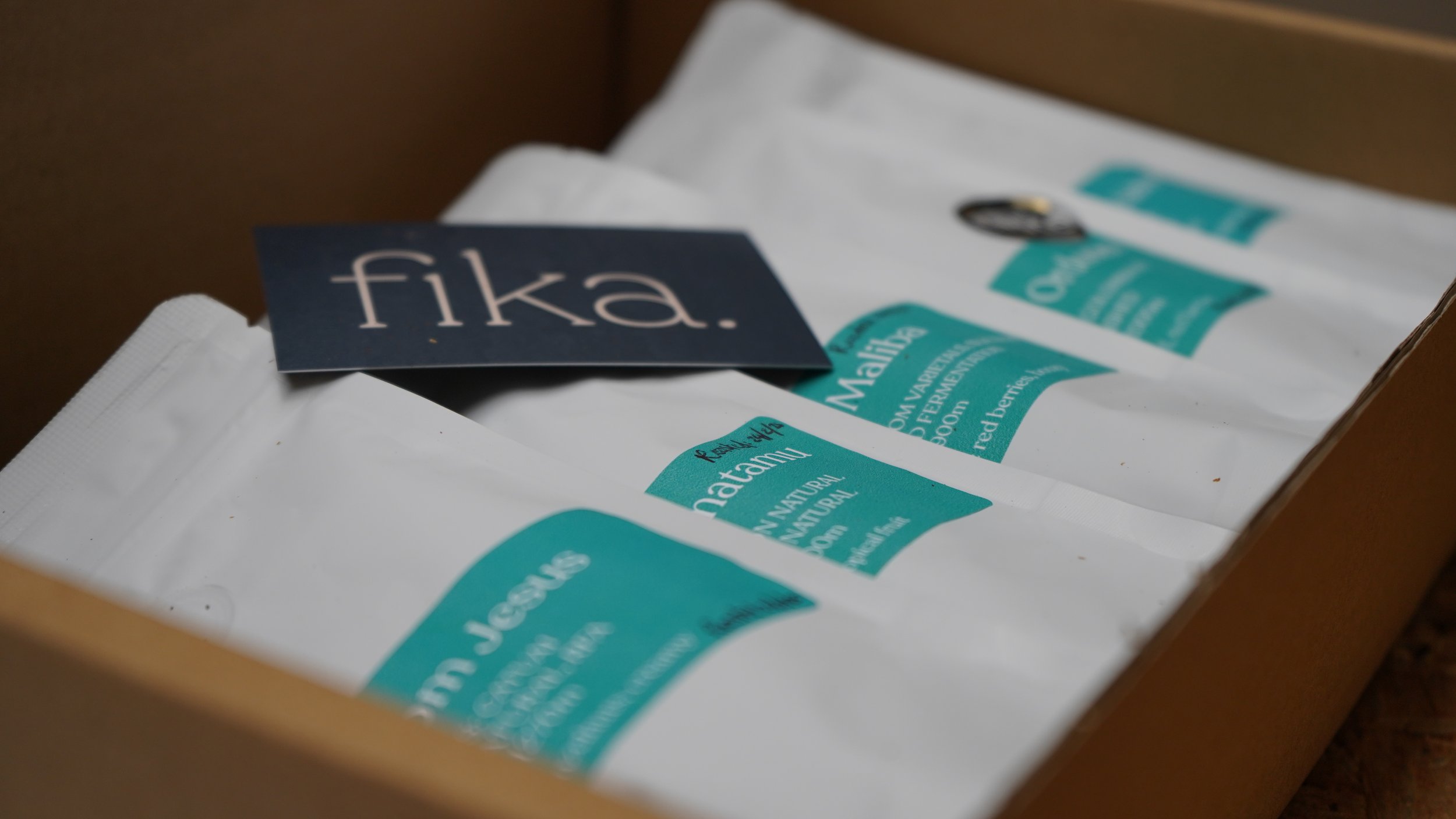
Back for the fourth year running and tasting better than ever. We met Bernice and Luke of Rwamatamu Coffee at Rounton Coffee’s cafe in Middlesborough in 2022, tasting their family’s beautiful coffees. We have changed it up and gone for one of their experimental anaerobic coffees.
Peaberries occur as a result of a natural mutation, or defect, inside a coffee cherry, where one ovule fails to pollinate. This results in extra space for the single developing seed. Within this space, a larger and rounder seed grows inside. This is a peaberry. It’s sometimes believed that because the single bean of a peaberry does not need to share nutrients between two separated beans, it has a superior flavour profile.
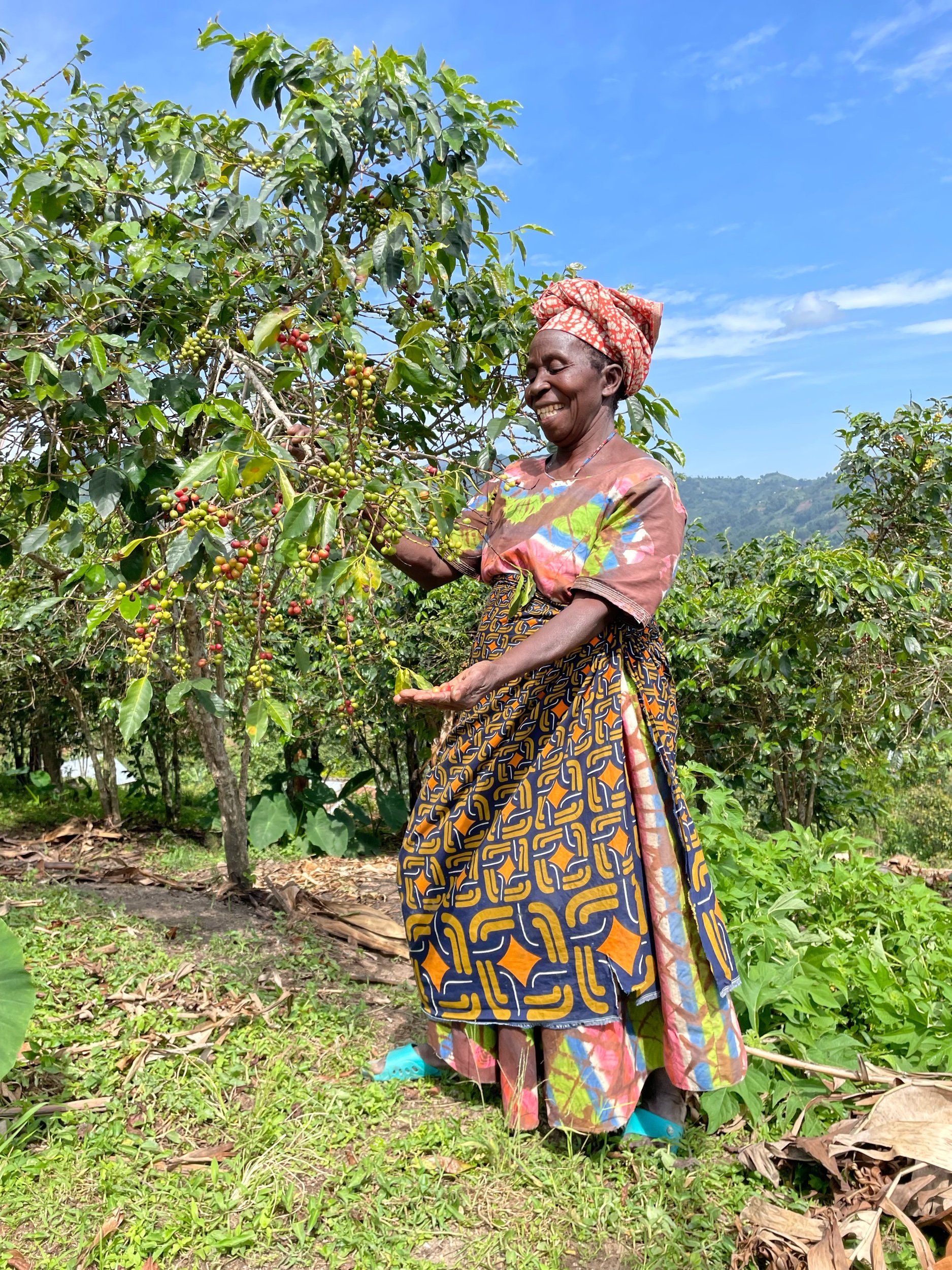
Rwamatamu Coffee Ltd is a family business owned and operated by Mukantwaza Laetitia and Rutaganda Gaston, who have been in the coffee sector for 13+ years. Rwamatamu coffee farm and washing station sits atop rich volcanic soil, at 1600 to 2000 meters above sea level, within the Western province of Rwanda. The estate is located near the picturesque rolling hills that flank Lake Kivu, in a region that provides a tropical highland climate with an average temperature of 14 to 24 degrees celsius, along with regular rainfall. This makes the Arabica trees flourish, producing a dense, hard bean come harvesting season, which runs from January through to March.
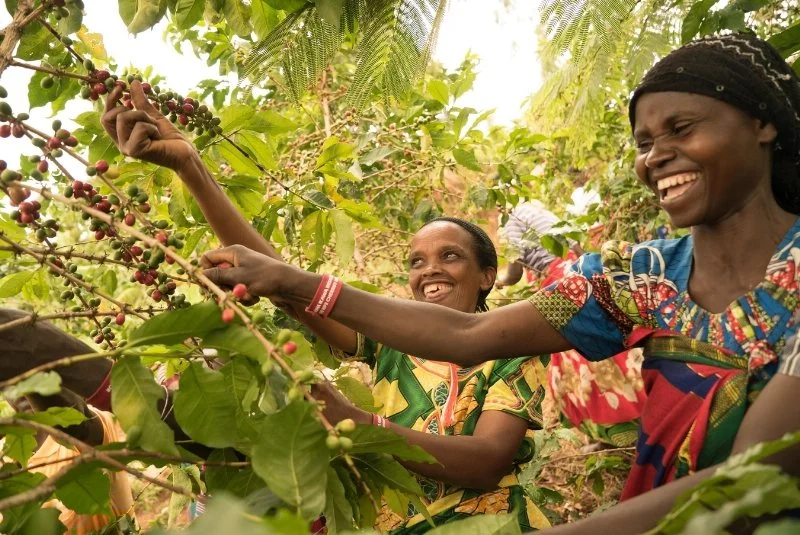
As a family run business, Rwamatamu strives to bring a positive social and economic impact to the Western Province, something which is achieved by committing to the regular purchase of beans from local cooperatives and small holders. They also take care to invest in the growth of employees, 80% of whom are women. In fact, Rwamatamu has its very own women produced lots, as they quote women as ‘the backbone of our society’.
Rwamatamu was founded in 2015 by husband and wife Rutaganda Gaston and Mukantwaza Laetitia as they looked for a means to support their family. They have 20 hectares of coffee plantation where it harvests its own cherries but also purchases cherries from affiliate co-operatives and local producer families and smallholder farmers.
This coffee was processed at Rwamatamu’s Mbare washing station, situated in Muhanga, Southern Province. Once it arrives, the cherries are sorted by hand before being pulped and left to ferment in water for 12-48 hours. During this time, the mucilage of the cherry is broken down, and when fermentation is finished, the coffee is washed clean so that it can be spread out to dry on raised beds for 21 or 22 days depending on the weather. It then gets taken to the milling facilities in Kigali, where the coffee is dehusked, polished, and graded.