
 Image 1 of 1
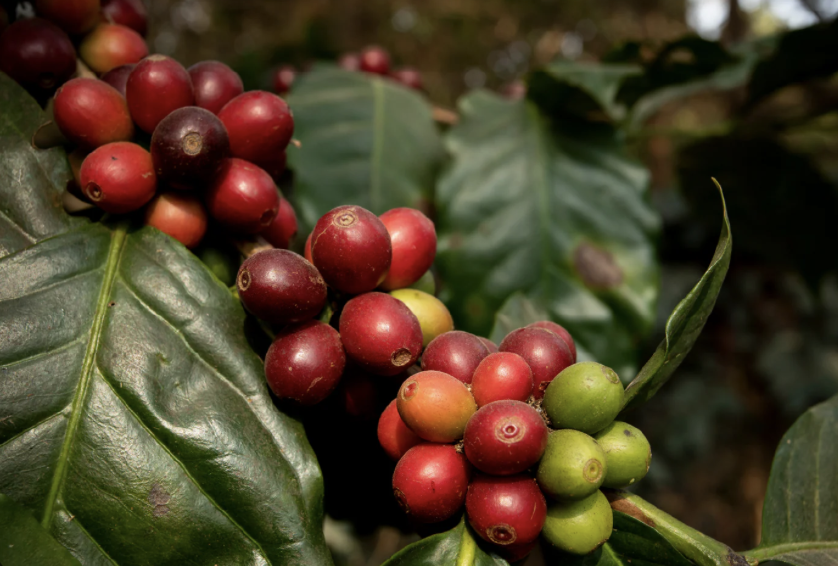
This shade-grown coffee originates in the highlands of Jinotega, Nicaragua, where more than 20,000 members of the Aldea Coffee grow on small plots. Around a quarter of the growers are women. Coffee in this region is considered among the best in the world thanks to the perfect coffee-growing climate, with five Cup of Excellence winners coming from Jinotega.
Cultivation takes place between 1100 and 1300 metres above sea level within the Café ECOFORESTAL programme, an agroforestry system that integrates hardwood and fruit trees, banana plants and cover crops to diversify income streams and enhance soil health. Ripe cherries are selectively hand-picked from December to March, sun-dried at the Asturias processing facility, and prepared for export during the November–June shipping window, ensuring consistent quality and moisture control.
The growers carry Rainforest Alliance, Fairtrade USA, Organic, and With Women’s Hands certifications as part of their commitment to sustainable land management, equitable trading terms, and gender-inclusive governance.
The coffee was decaffeinated using the gentle sparkling water method using CO2 to gently remove caffeine while preserving flavour and aroma.
Process: EA process uses Ethyl Acetate, which is a natural component found in substances like fruits and sugarcane. It can also be produced synthetically. In both cases, the solvent is food-safe. Preparation: The green beans are steamed to open the cell structure (a bit like pores on skin). Extraction: EA is added to the beans and extracts the caffeine from them. The beans are rinsed a few times with EA to remove all caffeine. Finishing: Steam is then used to remove traces of the solvent and dry the beans back to their original moisture content. Compared to water processes, the EA process has fewer steps because the solvent is highly effective at binding to caffeine. This reduces the stress on the internal cell structures of the coffee, resulting in fantastic cup quality.