 Image 1 of 2
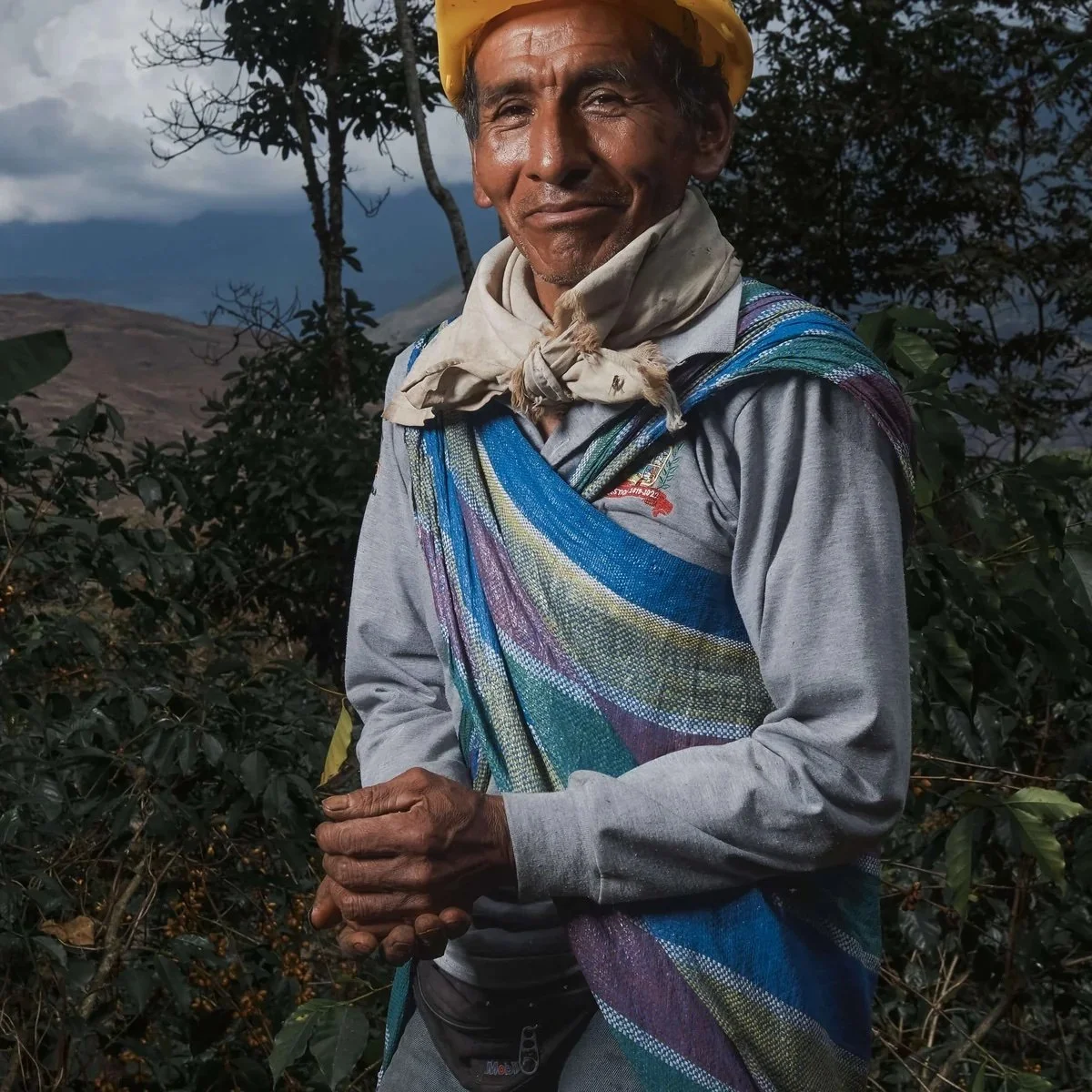 Image 2 of 2
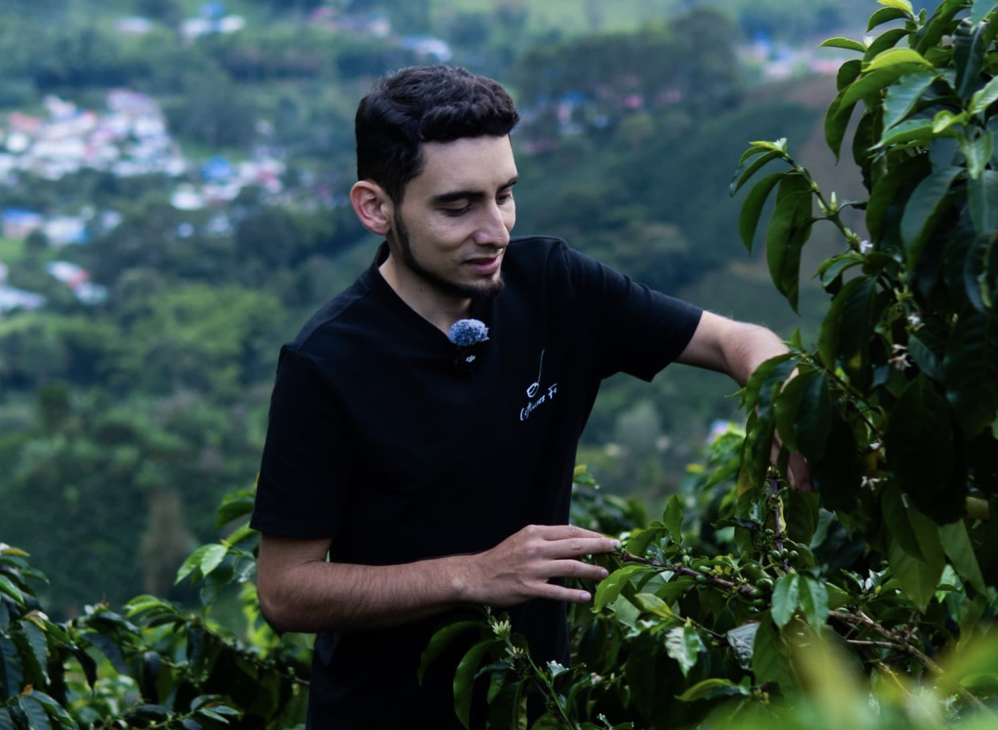
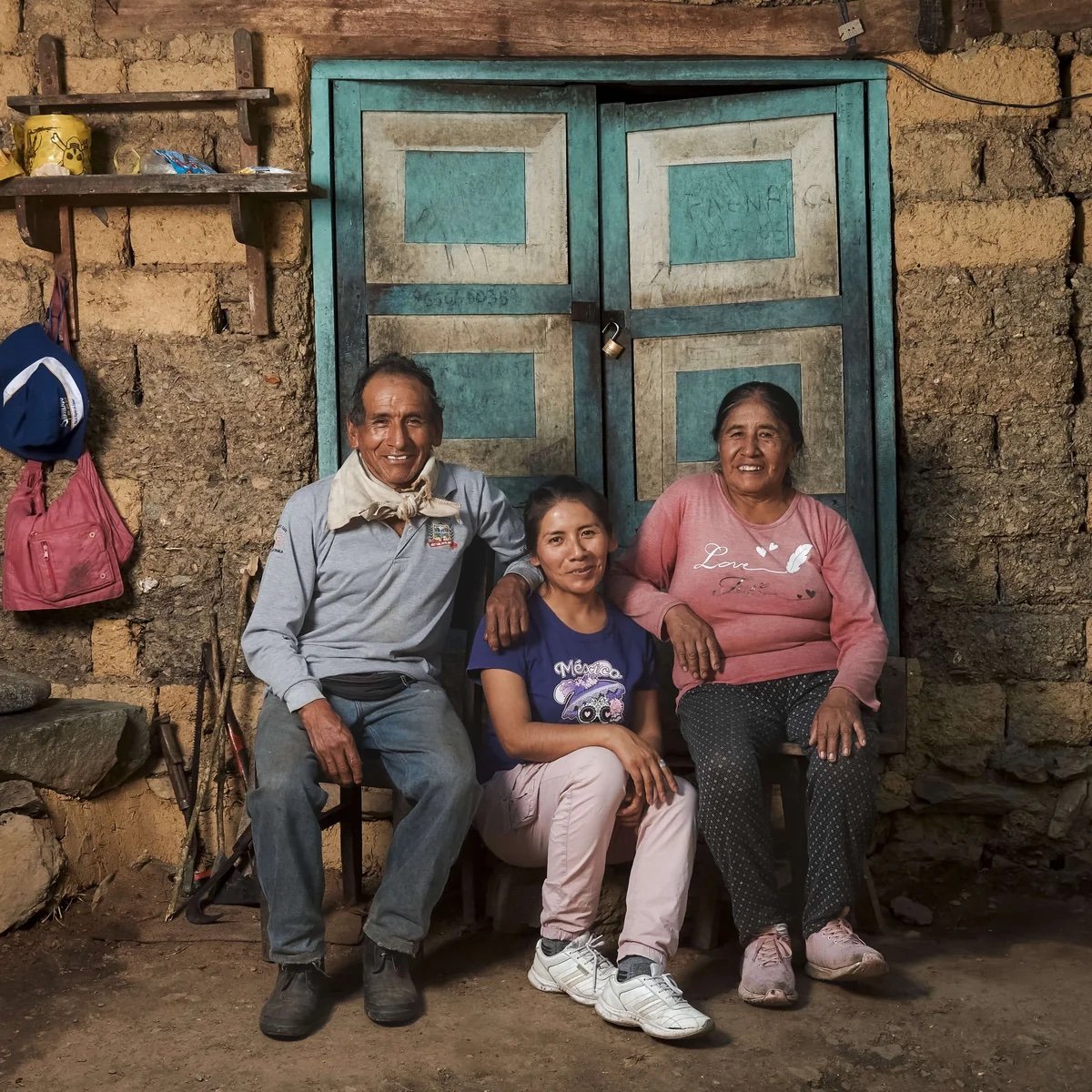
This rare varietal comes via a new partnership with Khipu Coffee who introduced us to some spectacular Peruvian coffees. This Java lot comes from Hilario Ccoyo who is a smallholder coffee producer from the Moyomonte sector of Huayopata, in La Convención province, Cusco. He is part of a generation of producers who combine inherited agricultural knowledge with careful, experience-led experimentation. His work is quiet and deliberate, focused on observation, patience, and long-term stewardship of his land rather than volume or speed. Hilario is deeply rooted in his community and cooperative history, with family ties that stretch back decades in local coffee production.
The farm covers 2.5 hectares in total, of which approximately 0.5 hectares are planted with Java. Coffee here is grown at 1,950 metres above sea level, placing it firmly in a high-altitude zone that favours slow cherry development and dense bean structure. The farm sits within a ravine, creating a cooler and more humid microclimate than surrounding areas. Temperatures generally range between 13°C and 28°C, but the shaded, enclosed geography of Moyomonte moderates extremes and supports extended maturation. This environment is especially well suited to varieties like Java, which benefit from slower metabolic development and stable conditions.
Flowering typically occurs in November, with the first cherries appearing in January. Harvest builds gradually, with peak picking between August and October, when sugars, acids, and aromatics reach their balance.
This Java lot was processed using a carefully developed oxidation-style process, refined through several seasons of experimentation with Hilario’s coffee. After harvesting, cherries are floated and washed to remove defects. Instead of moving directly into a solar dryers, the coffee is laid out in the sun for three consecutive days, allowing controlled oxidation to begin. This stage is followed by 12 days in a solar dryer, where airflow and temperature are managed to stabilise the coffee and prevent over-fermentation.
The goal of this process is not intensity, but preservation—maintaining clarity while avoiding the stripping effect that the local water can have in a fully washed process. Once drying is complete, the coffee is stabilised and rested before milling. The final result is a clean yet distinctive profile, with cocoa paste, green apple, and a structure that sets it apart from both classic washed and typical natural coffees.